Basement Renovations in Toronto

  • Quotes from reviewed local contractors - compare and choose
  • Reviewed Ontario contractors
  • Free for homeowners, no obligation
Get Free Quotes

Get Free Quotes in Toronto

What happens next: a matched contractor contacts you to discuss your project and may need a site visit before quoting. Free for homeowners, no obligation.

Reviewed Ontario Contractors Scored on online reputation plus our own vetting; licensing and insurance reviewed where required
Matched Quotes Compare contractors before you commit
Free for Homeowners No fees, no obligation, just quotes

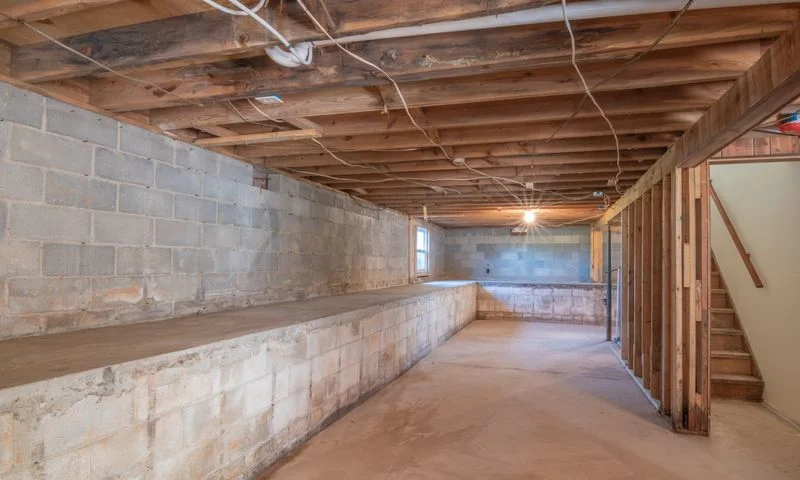
Basement renovations in Toronto - finishing an unfinished space, creating a secondary suite, adding a bathroom, or undertaking waterproofing with foundation work - require a building permit from the City of Toronto Building Division. A secondary suite (basement apartment) in Toronto triggers a building permit and must comply with the City of Toronto's secondary suite zoning regulations and the Ontario Building Code's requirements for fire separation, egress windows, and ceiling height. Electrical rough-ins added during a basement renovation require an ESA permit filed by a licensed electrical contractor; plumbing rough-ins require a licensed plumber with a City of Toronto plumbing permit. Toronto's basement renovation market is shaped by the city's housing age and geography: pre-1940 Victorian and Edwardian semi-detached homes throughout the Annex, Roncesvalles, Trinity Bellwoods, and Cabbagetown commonly have basement ceiling heights under 1.8 metres and original rubble or poured-concrete foundations, and underpinning or benching may be needed before finishing work is viable; post-war bungalows in Scarborough (Warden - Kingston Road area) and Etobicoke (Islington) have full-height unfinished basements well-suited to secondary suites; and properties near the Don River valley in Leslieville and East York, or the Humber River valley in the west end, sit within Toronto and Region Conservation Authority (TRCA) regulated areas where foundation and waterproofing work may require a TRCA permit before the City of Toronto building permit can be issued. Toronto Water's Basement Flooding Protection Subsidy Program covers backwater valve installation and related work on eligible properties connected to the combined or sanitary sewer system. We'll connect you with reviewed local contractors.

Ready to get quotes for your Basement Renovation in Toronto?

Free for homeowners · No obligation · Reviewed local contractors
Get Free Quotes

How to Hire a Basement Renovation Contractor in Toronto

  1. Describe your basement project

    Tell us whether you are finishing an unfinished basement, adding a secondary suite, installing waterproofing or underpinning, or doing a combination - plus your Toronto neighbourhood or FSA, basement square footage, approximate ceiling height, and any signs of water infiltration or past flooding.

  2. Receive three matched quotes

    Reviewed local contractors will reach out to you with quotes.

  3. Verify licences, WSIB, and subcontractor coverage

    Request general liability certificates, WSIB clearance, and subcontractor WSIB and trade certification. For pre-1940 homes, ask specifically about the contractor's experience with underpinning and rubble-foundation waterproofing. For TRCA-regulated properties, confirm the contractor is familiar with the TRCA permit process.

  4. Confirm permit management, secondary suite compliance, and flooding protection

    Your contractor must pull all required City of Toronto building, ESA, and plumbing permits before rough-in begins. For secondary suites, confirm they will verify zoning eligibility and Ontario Building Code compliance for egress, fire separation, and ceiling height. Ask about the Toronto Water Basement Flooding Protection Subsidy if a backwater valve is part of the scope.

Frequently Asked Questions

Does finishing a basement in Toronto need a permit?

Yes. Basement finishing in Toronto - including framing, insulation, drywall, adding a bathroom, or creating a secondary suite - requires a City of Toronto building permit from the Building Division. The permit process covers structural, plumbing, and electrical rough-in inspections before drywall is closed in. A secondary suite also requires zoning compliance and must meet Ontario Building Code requirements for fire separation, egress windows, and minimum ceiling height. Work done without a permit can prevent a legal secondary suite rental and create problems at home sale.

My Toronto home is a Victorian semi from the 1890s - can I finish the basement?

Yes, but you need a professional assessment before proceeding. Pre-1940 Victorian and Edwardian semi-detached homes in the Annex, Roncesvalles, Cabbagetown, and Trinity Bellwoods frequently have basement ceiling heights under 1.8 metres and original rubble-stone or early poured-concrete foundations. To achieve the 1.95-metre minimum ceiling height required for a legal secondary suite bedroom, underpinning (lowering the basement floor by excavating below the existing footing) may be required. Have your contractor assess current headroom, foundation condition, and drainage before committing to a scope.

What is the Toronto Water Basement Flooding Subsidy and do I qualify?

The City of Toronto's Basement Flooding Protection Subsidy Program offers subsidies to eligible homeowners for installing backwater valves, sump pumps, and downspout disconnections. Properties connected to the City's combined or sanitary sewer system that have experienced or are at risk of sewer backup are typically eligible. The subsidy reduces the out-of-pocket cost of protective measures. Ask your contractor to confirm your property's eligibility based on your address and sewer connection type before finalizing the scope.

Is my property in a TRCA regulated area, and does that affect a basement renovation?

Properties near the Don River valley (Leslieville, East York, Thorncliffe Park), the Humber River valley (Etobicoke, Weston, Runnymede), Highland Creek (Scarborough), or other TRCA-regulated features in Toronto may be in a TRCA Regulated Area. Within these areas, foundation excavation, waterproofing to the exterior, and basement underpinning may require a TRCA permit before the City of Toronto building permit is issued. Your contractor should identify whether your property is within a regulated area using the TRCA's online mapping tool as part of the pre-construction planning process.

Sources

contractor.ca is not a government program and is not affiliated with Enbridge Gas, the IESO, or the Government of Canada. Rebate eligibility depends on your specific home, utility, and the program requirements at time of application. Always verify current amounts and eligibility directly at the official program website before starting work.

Get free quotes for other projects

Reviewed contractors for every home project. Free for homeowners.